Keeping up with your vehicle’s maintenance schedule is one of the most important things you can do to ensure long-term reliability, performance, and safety. Most manufacturers recommend service milestones at 30,000, 60,000, and 90,000 miles, each focusing on different levels of inspection and preventative care.
Understanding what happens at each stage can help you avoid unexpected breakdowns and costly repairs while keeping your vehicle running smoothly for years to come.
Why Maintenance Milestones Matter
As your vehicle accumulates miles, parts naturally wear down and fluids lose their effectiveness. The 30K, 60K, and 90K service intervals are designed to catch wear early and replace key components before they fail.
Following these milestones helps:
- Improve safety and reliability
- Extend vehicle lifespan
- Maintain fuel efficiency
- Prevent expensive repairs
- Keep your vehicle performing at its best
30,000-Mile Service: Early Preventive Care
The 30,000-mile service is typically the first major maintenance milestone. At this stage, your vehicle is still relatively new, but routine care is essential.
Common services include:
- Oil and oil filter change
- Air and cabin filter replacement
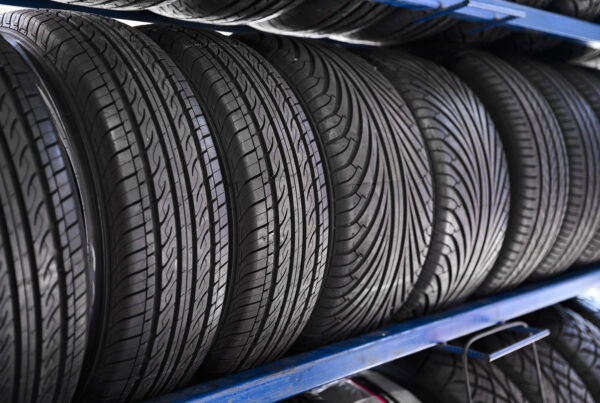
- Tire rotation and inspection
- Brake inspection
- Fluid level checks and top-offs
This service focuses on keeping everything clean, efficient, and operating as it should.
60,000-Mile Service: Deeper System Maintenance
At 60,000 miles, your vehicle begins to experience more noticeable wear on key systems. This service builds on earlier maintenance and addresses components that require longer-term attention.
Typical services may include:
- Transmission fluid service
- Brake system inspection and service
- Cooling system inspection and coolant service
- Spark plug inspection or replacement
- Battery and charging system check
- Suspension inspection
This milestone is crucial for maintaining performance and preventing mid-life vehicle issues.
90,000-Mile Service: Major Preventive Maintenance
By 90,000 miles, your vehicle has seen significant use, and more in-depth service is needed to maintain reliability and avoid major breakdowns.
Common services include:
- Timing belt inspection or replacement (if equipped)
- Fuel system service and cleaning
- Cooling system flush and inspection
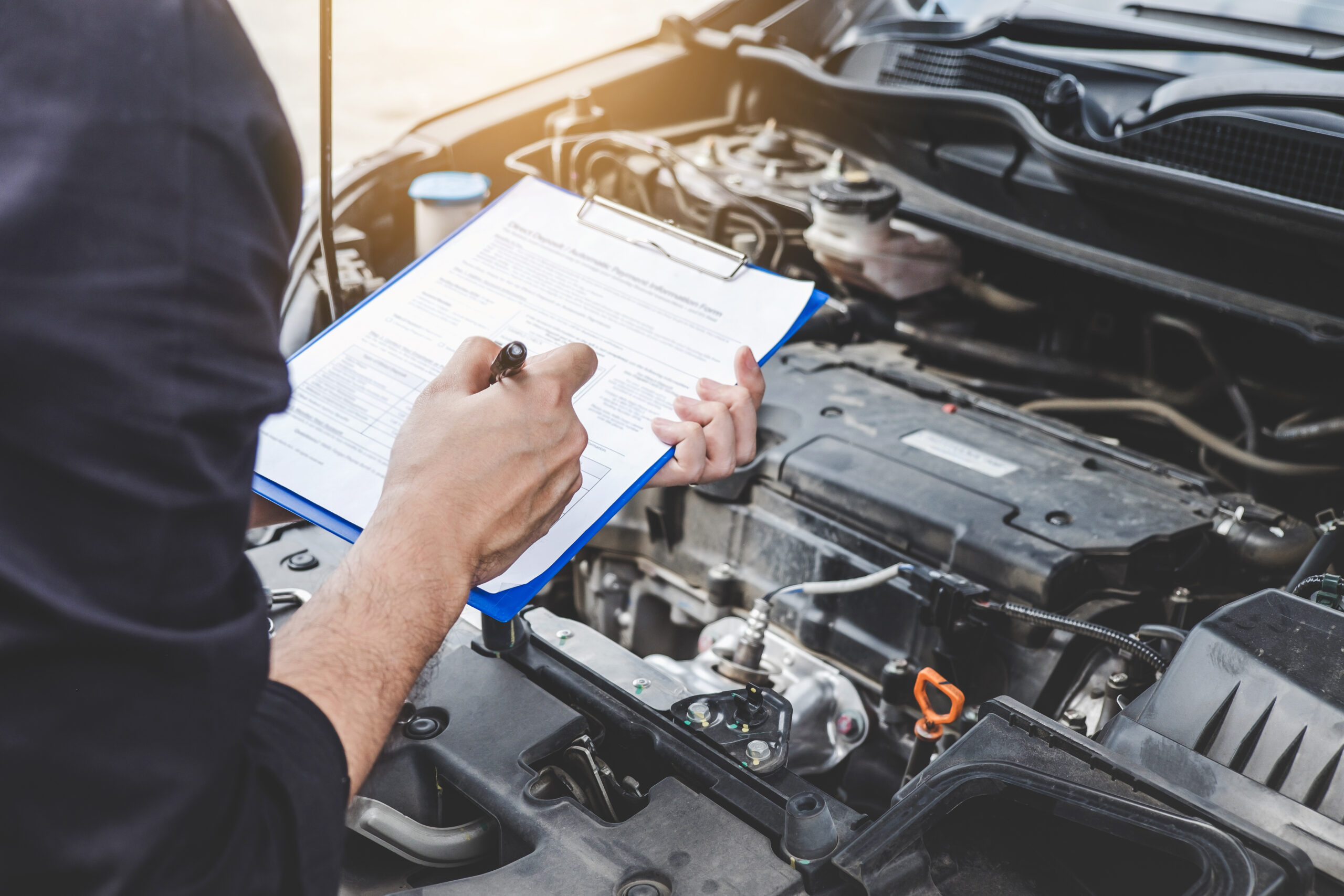
- Comprehensive engine diagnostics
- Full fluid replacement services
- Detailed inspection of belts and hoses
This stage is all about protecting your engine and ensuring long-term durability.
What Happens If You Skip Maintenance?
Skipping scheduled maintenance can lead to:
- Unexpected breakdowns
- Reduced fuel efficiency
- Poor engine performance
- Higher repair costs
- Shortened vehicle lifespan
Small issues that could have been prevented often turn into expensive repairs when maintenance is ignored.
Stay Up To Date With Maintenance
The 30K, 60K, and 90K mile maintenance schedule is designed to keep your vehicle safe, efficient, and reliable throughout its life. Staying on top of these services helps catch problems early and ensures your vehicle continues performing at its best.
If your vehicle is approaching a maintenance milestone, schedule your maintenance service today and keep your vehicle running strong for the miles ahead.